President Donald Trump has introduced a new idea to reshape America’s health care system by redirecting Affordable Care Act (ACA) funds directly to individuals instead of insurance companies. Nearly ten months into his second term, the president has shared his initial thoughts about replacing Obamacare with a model that puts more financial control in people’s hands through direct payments and Health Savings Accounts (HSAs).
While the plan is being welcomed by several Republican lawmakers, health policy experts warn it could dismantle critical protections and coverage gains that millions of Americans have benefited from under the ACA. The proposal may seem empowering at first glance, but a closer look shows it could lead to higher costs, fewer insured citizens, and deeper inequality in access to care.

Trump’s Proposed Approach
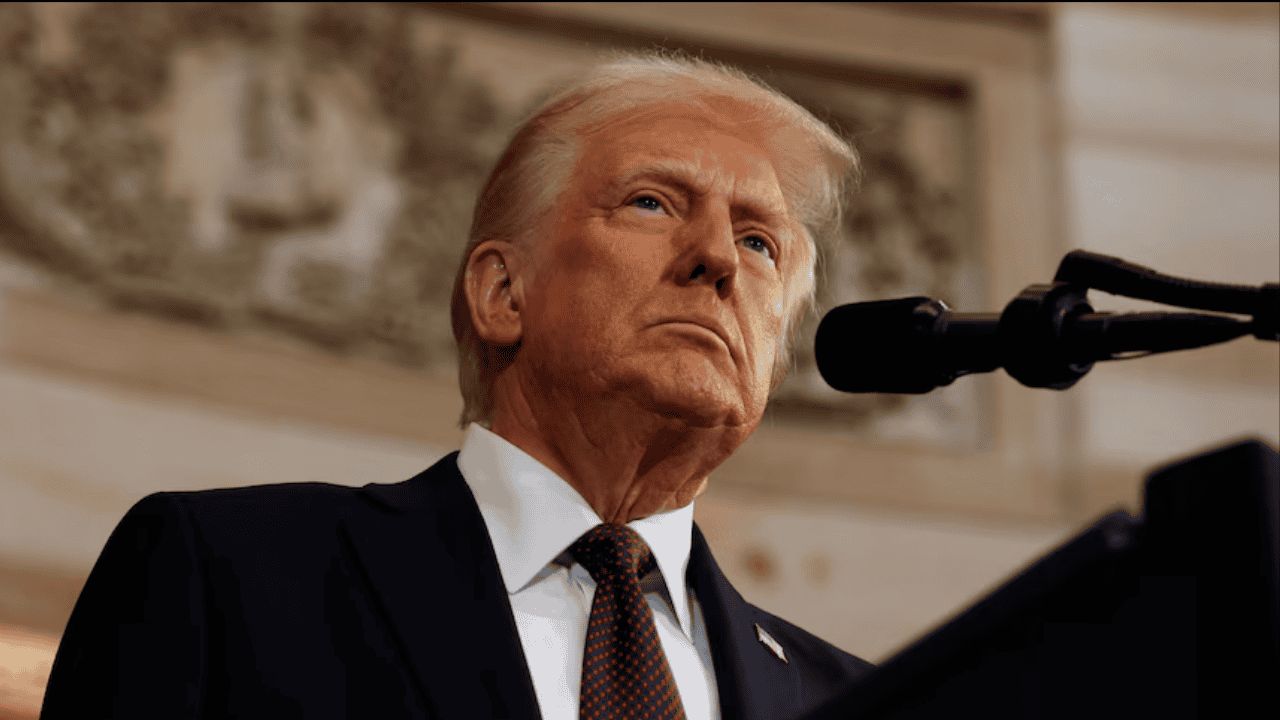
The president posted on his Truth Social platform that he wants Senate Republicans to replace federal ACA premium subsidies with direct payments to citizens. Instead of sending funds to private insurers, he suggests giving that money directly to the people. He later clarified that the money could go into individual Health Savings Accounts, allowing citizens to save and spend tax-free for qualified medical expenses.
Senator Rick Scott from Florida quickly supported the idea, promising to draft a bill around it. According to Treasury Secretary Scott Bessent, there is still no formal proposal on the table, but momentum among Republicans appears to be growing.
Background: ACA and Its Impact
The Affordable Care Act, introduced in 2010, has played a critical role in lowering the national uninsured rate and making health care more accessible to over 24 million Americans. It helped expand Medicaid, improve preventive care, and reduce medical debt, especially among low-income families and racial minorities.

Even with strong results, several Republican administrations, including Trump’s previous term, attempted to repeal or weaken it. The 2017 Tax Cuts and Jobs Act eliminated the ACA’s penalty for lacking insurance, making coverage optional and weakening the law’s effectiveness. Recently, new regulations from the Centers for Medicare & Medicaid Services have further increased out-of-pocket costs, threatening to reduce coverage for up to 1.8 million people.
The Risk of Dismantling Key ACA Protections
Without the ACA’s essential protections, millions of people with preexisting health conditions could lose affordable coverage or be denied insurance altogether. A prior study by KFF estimated that almost 27% of non-elderly adults had health issues that insurers could previously decline. This number is likely higher today due to long-term effects of COVID-19 and newly diagnosed chronic conditions.
Redirecting ACA subsidies to individuals may sound appealing, but it overlooks the main principle of health insurance — sharing risk among many. When healthier people opt out to manage their own savings, the remaining insured pool becomes sicker and more expensive to cover. This would lead insurers to raise premiums, pushing even more people out of the system.
The Limits of Health Savings Accounts (HSAs)
Health Savings Accounts are not new. Republicans often promote HSAs as tools for personal choice and financial independence. However, they mainly benefit higher-income groups that can afford to contribute regularly. In 2023, insurers received about $92 billion through ACA subsidies, while Americans spent roughly $500 billion on out-of-pocket medical costs — showing that direct payments alone would be far from enough.
Research by the Center on Budget and Policy Priorities shows that HSAs do little to help those with serious financial needs and can actually deepen racial and income-based disparities. Lower-income families often lack the disposable income to contribute to these accounts or the tax advantages that come with them.
Potential Economic and Social Fallout
If implemented, the plan could lead to higher rates of uninsurance and underinsurance, especially during economic uncertainty. Since many Americans still depend on employer-provided health plans, job losses or wage reductions could cut off their access to affordable care just when they need it most.
Additionally, with recent budget cuts to Medicaid, fewer safety nets remain for struggling families. This makes the proposed changes even riskier, as many people could find themselves completely uninsured if ACA coverage were weakened or replaced.
A Proposal That Raises More Questions
Although the president’s proposal promotes individual freedom and simpler financial control, experts argue it undermines the fundamental idea of shared healthcare responsibility. It risks higher prices, more administrative complexity, and wider inequality. Meanwhile, the refusal of some congressional Republicans to extend ACA subsidies has already led to premium spikes and even temporary government shutdowns.
While reducing health care costs is a valid goal, replacing a proven system with an uncertain one built around HSAs could leave Americans managing costs alone rather than solving the core issue — making healthcare affordable and accessible for everyone.