Alaska has once again confirmed its annual Permanent Fund Dividend (PFD) distribution, providing a $1,000 payment to each eligible resident in 2025. Although this year’s amount is lower than last year’s $1,702, the program continues to serve as a major financial relief for Alaskan families coping with rising living costs.
The dividend, funded by the state’s oil and gas resource earnings, represents Alaska’s long-standing commitment to sharing natural wealth with its people. This article details everything residents need to know about the 2025 payout — from eligibility and application steps to payment timelines and the broader importance of the PFD to Alaska’s economy and identity.

What Is the Alaska Permanent Fund Dividend (PFD)?
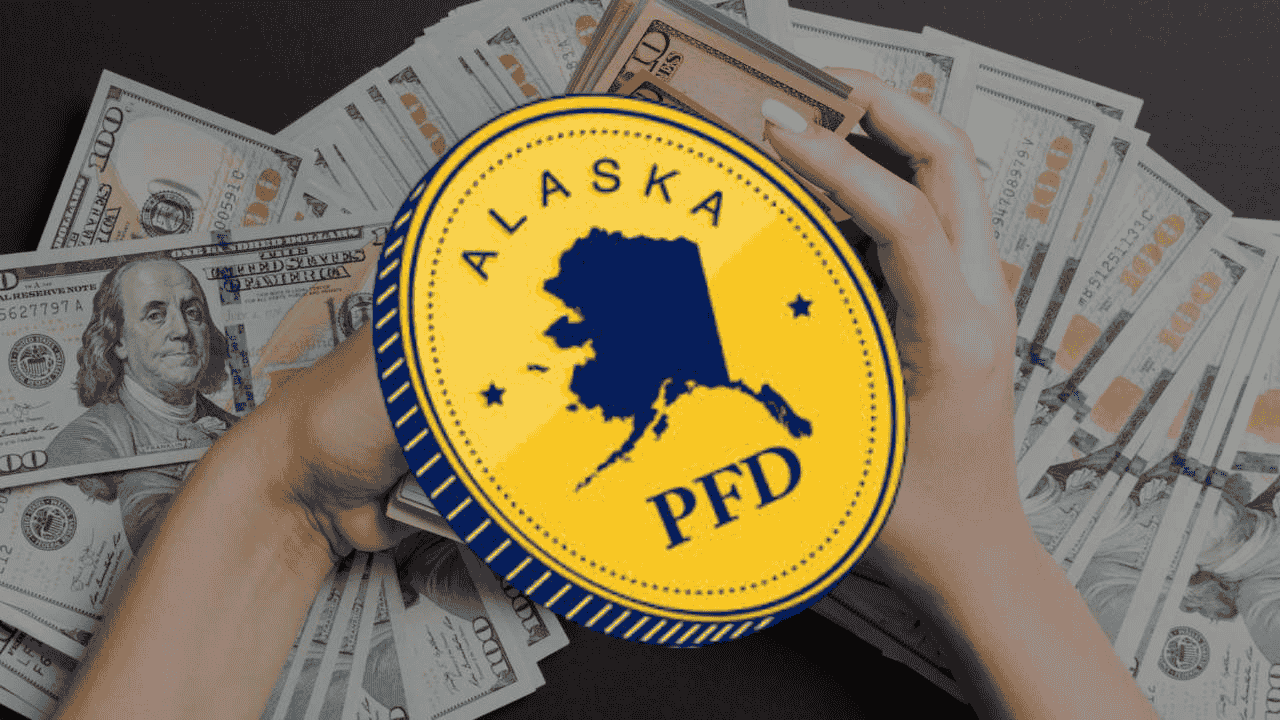
The Alaska Permanent Fund Dividend was built on a simple principle — every Alaskan should benefit from the state’s natural wealth. Established in 1976, the fund invests Alaska’s oil and gas revenues to create long-term financial security for future generations. Each year, a share of the fund’s earnings is distributed to residents who meet the eligibility criteria.
Over the decades, the PFD has evolved into more than just a cash payment. It reflects Alaska’s promise of shared prosperity and community ownership — ensuring every resident has a stake in the state’s success.
Learn more: Official Alaska PFD Website

Why the 2025 PFD Is Set at $1,000
The amount of the annual dividend changes each year based on earnings, market conditions, and state budget priorities. For 2025, officials have set the PFD at $1,000 per eligible resident to maintain fund stability and ensure sustainability in future years.
| Determining Factors | Description |
|---|---|
| Permanent Fund Earnings | Based on overall investment performance |
| Oil and Gas Prices | Affect state income and available funds |
| State Budget Needs | Balances social spending and fiscal discipline |
| Market Performance | Influences yearly income and dividends |
| Legislative Priorities | Guides final payout approval |
Though lower than last year’s amount, officials have emphasized that keeping the fund balanced is vital for long-term benefit to Alaskans.
Who Qualifies for the 2025 Alaska PFD
To ensure fairness and integrity, PFD eligibility focuses on genuine Alaska residents who contribute to the state’s community and economy.
1. Residency Requirement
- Must have lived in Alaska for the entire year 2024.
- Must plan to continue residing in the state permanently.
2. Physical Presence
- Must have spent at least 180 days physically in Alaska during 2024.
- Certain exceptions apply for military duty, education, or medical reasons.
3. Exclusive Residency
- Applicants cannot claim residency in another U.S. state or foreign country.
4. Criminal Disqualifications
- Individuals convicted of serious crimes or incarcerated for most of 2024 are ineligible.
5. Children’s Eligibility
- Minors qualify when their parents or guardians meet all conditions, ensuring equal family benefit.
How and When to Apply
The 2025 PFD application period ran from January 1 to March 31, 2025. Residents who missed the deadline can apply late only under approved special conditions, including:
- Extended hospitalization
- Active military service
- Family emergencies
- Declared natural disasters
Applicants can track their PFD status through the myPFD Portal. The application status appears as:
- Approved
- Pending
- Action Required (when more documents are needed)
Avoiding Application Delays
To prevent processing errors and late payments, applicants should:
- Keep bank account details updated.
- Check and respond to PFD office emails promptly.
- Report any change of address immediately.
Payment Options
The Alaska Department of Revenue provides two safe methods to receive PFD payments:
Direct Deposit (Recommended)
- The faster and more secure option.
- Funds go directly into your bank account.
Paper Check
- Mailed to those who opted out of direct deposit.
- Delivery may take longer, especially in remote areas.
2025 Full Payment Schedule
| Application Status (as of) | Payment Date | Payment Type |
|---|---|---|
| Approved by Sept 18, 2025 | October 2, 2025 | Direct Deposit only |
| Approved by Oct 13, 2025 | October 23, 2025 | Paper Checks + Electronic |
| Approved by Nov 12, 2025 | November 20, 2025 | After Final Review |
Pending applications may continue to be processed into December 2025 and early 2026.
Missed the March 31 Deadline?
If you did not apply before the official deadline, you cannot receive the 2025 dividend except in limited special circumstances such as:
- Verified medical emergencies
- Military deployment
- Family loss or major tragedy
- Natural disasters
Otherwise, you can submit a new application starting January 1, 2026, for the next PFD cycle.
1. The Economic Role of the PFD in Alaska
The PFD is more than a financial payout — it’s an anchor for Alaska’s economy and social stability.
2. Boosting Local Spending
Residents often use their dividends locally, helping small stores, community markets, and regional businesses grow.
3. Reducing Living Expenses
Given Alaska’s higher-than-average costs for food, housing, and transportation, the PFD provides meaningful relief, especially for families in remote areas.
4. Encouraging Shared Prosperity
The program promotes unity by reminding residents that Alaska’s wealth belongs to everyone, not just the state government.
5. An Example for Other Nations
Economists worldwide recognize the Alaska PFD as one of the best models for equitable resource revenue distribution, inspiring similar systems globally.
The Alaska Permanent Fund Dividend remains a cornerstone of economic stability and fairness. Despite a smaller $1,000 payout for 2025, it continues to strengthen communities and support families across the state. Residents are encouraged to check their payment status regularly, confirm their bank details, and watch for official updates from the Department of Revenue. The PFD stands as a proud reminder of Alaska’s principle that natural wealth should always benefit the people — ensuring equality, security, and shared prosperity for generations to come.